

Bleeding gums can be caused by various factors, and it's essential not to ignore it.
July 20, 2023
Read more
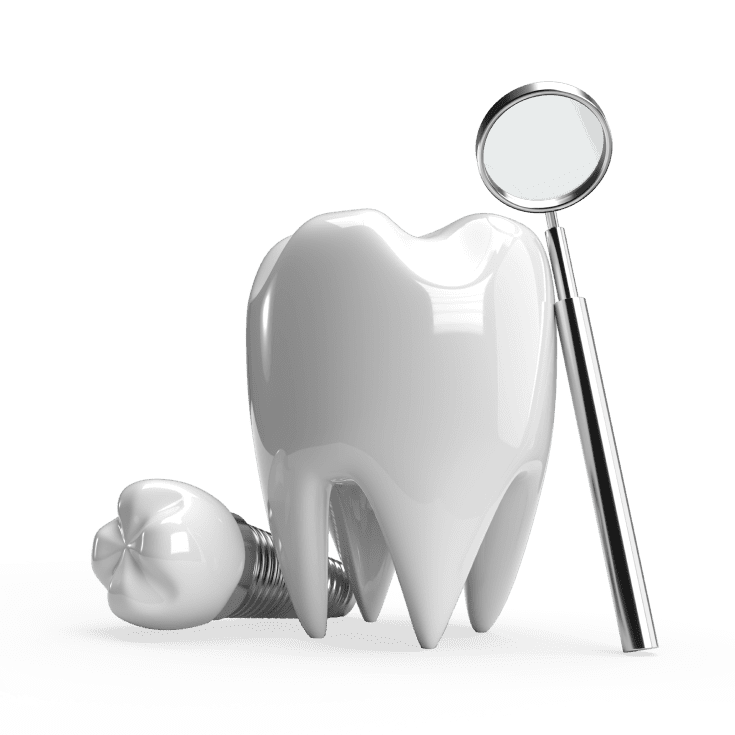
Dental implantation is a method of restoring a lost tooth using an implant followed by the placement of a crown on it.
This method is extremely effective and modern, allowing for the preservation of the tooth’s natural aesthetic appearance, strength, and comfortable use.


There are absolute and relative contraindications.
Inflammatory processes in the oral cavity, dental caries, compensated diabetes mellitus, periodontal disease, poor oral hygiene, presence of dental calculus, pregnancy and breastfeeding, smoking.
Single-stage – in this case, the implant is placed in the bone socket, and its head protrudes into the oral cavity, and prosthetics begin immediately after the operation.
Two-stage – only the root part is placed in the socket, and the mucous membrane is sutured over it. Depending on the situation, the next stage (soft tissue grafting) takes place within 2-6 months.
Immediate – the implant is inserted into the alveolar socket immediately after tooth extraction, provided there is no inflammation in the extracted tooth.
Delayed – performed 2-4 months after tooth extraction when the bone is fully restored.
Consultation. The patient is examined, the initial condition is documented with photographs, and computer tomography analysis is performed. A treatment plan and cost estimate are prepared.
Implant placement. The duration of the operation varies from 40 minutes (when placing an implant in sufficient bone quantity) to several hours (depending on the number of implants and additional bone grafting).
Gum former placement (soft tissue grafting) if a two-stage technique was used.
Permanent prosthetics. The final stage involves placing an abutment and a permanent crown. The shape, color, and material of the crown are individually selected by the dentist and dental technician.
By taking timely action, many dental and gum problems can be avoided. Dear patients, take care of your teeth and find time for a preventive examination and oral hygiene twice a year!